All Products
Explore our complete range of apparel support materials and eco-friendly coir utility products — sourced with care, delivered with confidence.
Showing 24 products

Fibers
a. Fibres are the basic or fundamental units of textiles—long, thin, and flexible strands of material. They can make up a huge number of products: from apparel and home textiles to industrial applications. The characteristics of a fibre—length, diameter, strength, elasticity, and chemical composition—determine the nature of the ensuing yarn.

Waddings
Wadding (or batting) is a soft, fibrous, non-woven layer used primarily for insulation, padding, and structural volume in textiles. Typically crafted from polyester, cotton, or bamboo, it is essential for manufacturing puffer jackets, quilts, sleeping bags, and furniture.

Gada
In the textile industry, "gada" (or gada cloth) refers to a traditional, unbleached, and unprocessed plain-weave cotton fabric. It is widely used as a base material for dyeing, printing, and lining. Known for its breathability, sturdiness, and affordability, it is heavily used in garment production, home furnishings, and industrial applications.

Non Woven
Nonwovens are an ideal material for the fashion industry. Used for many decades in hidden functions, such as interlinings and components of shoes and bags, today young designers are using nonwovens as a creative and versatile new material. The elegance, style and function of clothes can depend on the presence and performance of interlinings. The success of nonwovens is due to their versatility and the ability to engineer many different properties into them, such as shape-retention, adaptation to the characteristics of the outer fabric and lightness in weight. Today, the global retail sector is fascinated with the prospect of incorporating nonwovens fabrics in fashion, sports and outdoor performance apparel as a means of providing something “different” to current woven and knitted apparels.

Foams
A solid foam is a lightweight, cellular structure formed by trapping gas bubbles within a rigid solid matrix (such as a polymer, metal, or ceramic). These materials are highly valued across industries for their exceptional thermal insulation, shock absorption, and soundproofing capabilities.

Interlinings
Interlining is very important in apparel manufacturing. Interlining is one kind of accessory that is used between the two layers of fabric in a garment. To keep the different component or part of apparel in a desired shape, a kind of fabric is used between the two ply of fabric by sewing or fusing is called interlining. Generally, interlinings are soft, thick, and flexible. It is made of cotton, nylon, polyester, wool and viscose. Sometimes finishing is necessary to improve its properties i.e. shrink resist finish, crease resist finish. There are different types of interlinings that are used in different garments.
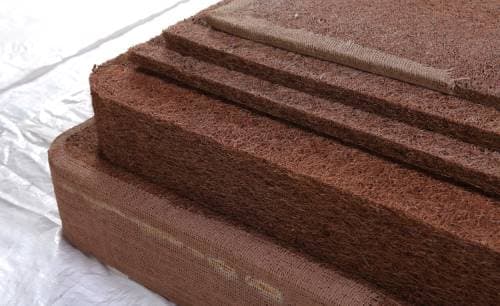
Rubberized Coir Blocks
High-quality blocks with excellent water drainage and air ventilation, ideal for making sofa seats, mattresses, and car seats.
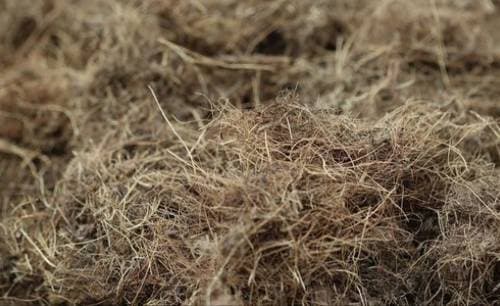
Coir Bio Filters
Long coir fibers used in industrial applications to trap foul smells and fumes, allowing odorless fumes to be released.
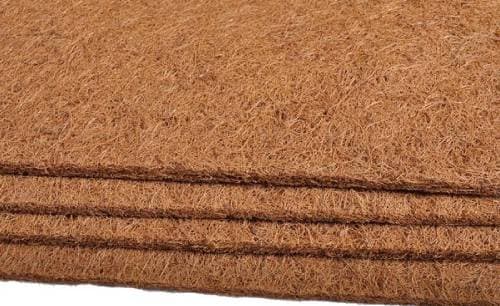
Coir Grow Pads
Compactly woven coconut fibers ideal for growing herbs, microgreens, and micro herbs. Popular for both home gardening and large-scale commercial growing.
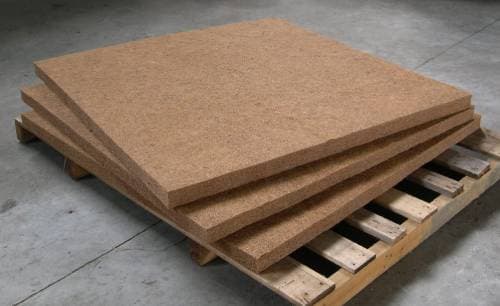
Coir Insulation Pads
Porous, moisture-regulating insulation made of natural coconut fibers. Offers great acoustic damping and high durability due to high lignin content.
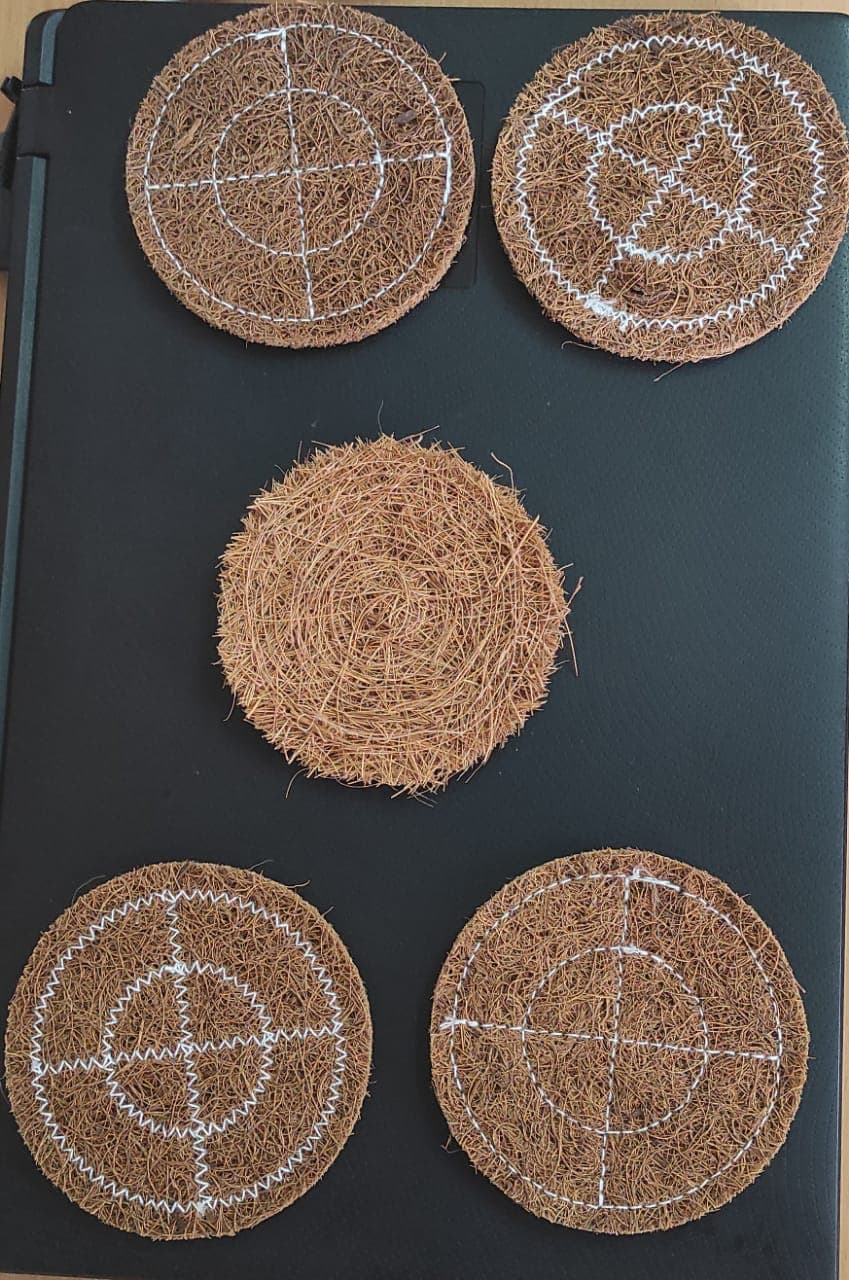
Scrubber Pads (4” Round Scrubber)
Handmade 100% coconut fiber scrubber stitched with cotton thread in concentric circles. No bonding agents are used in this kitchen scrubber.
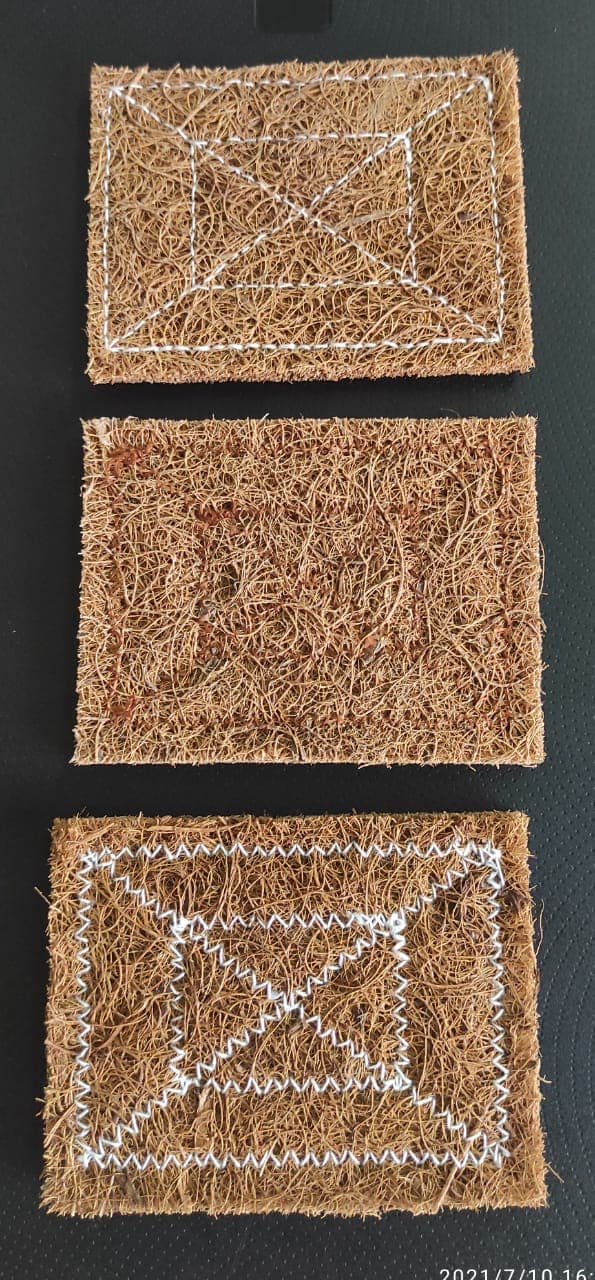
Coir Kitchen Scrubber
Made from coconut fiber which is naturally anti-microbial, providing a plastic-free and secure environment for cleaning vessels and greasy pans.

Tricot Non-Woven
Tricot non-woven (or tricot interfacing) is a lightweight, stretchy, and soft, warp-knit, or bonded fabric used primarily as stabilizer in garment construction. It provides structure, shape, and durability, often featuring a fusible side for easy application in lingerie, swimwear, and knitted fabrics.
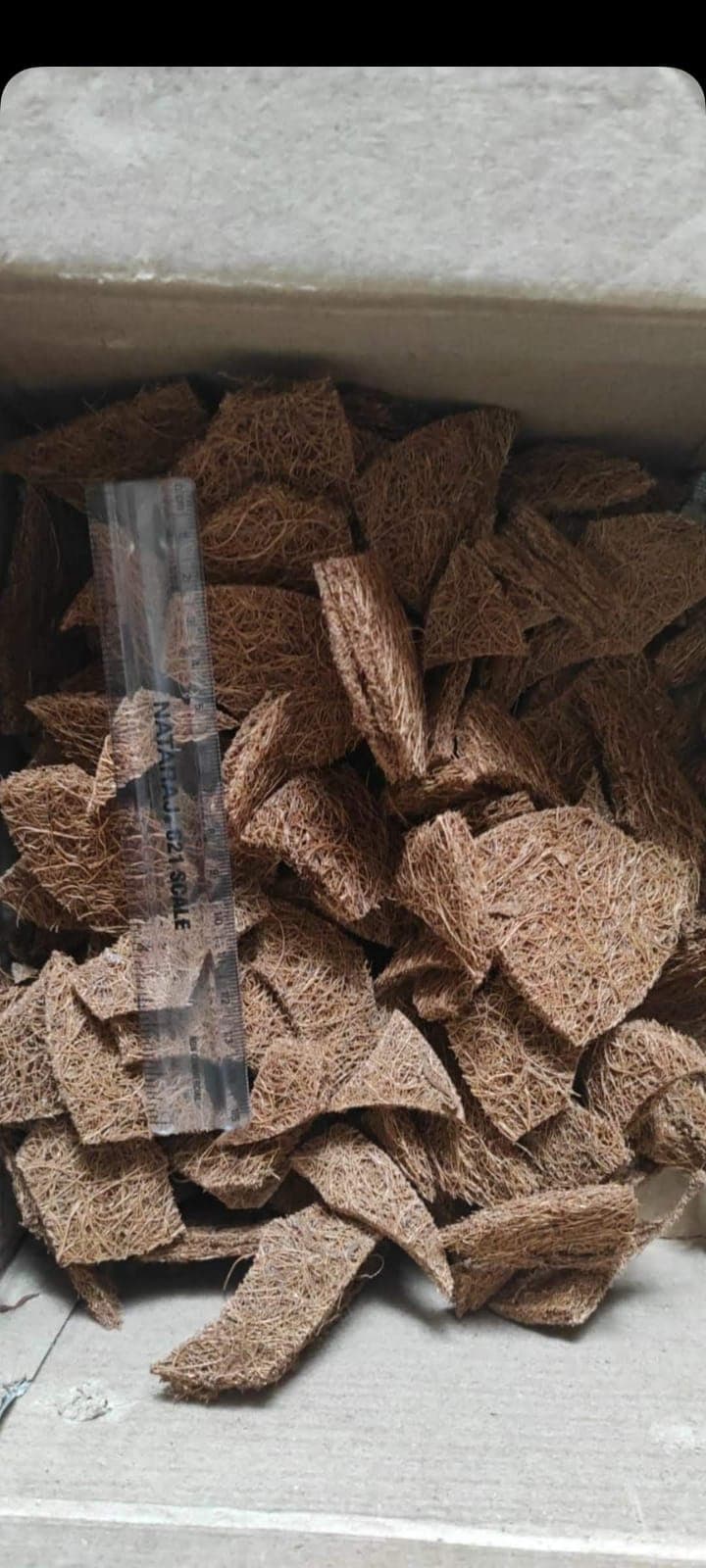
Coir Bio Mulch Mats
Also known as coir discs or tree mats, these bonded mulch products block weeds while allowing air, nutrients, and water to pass through to the tree.
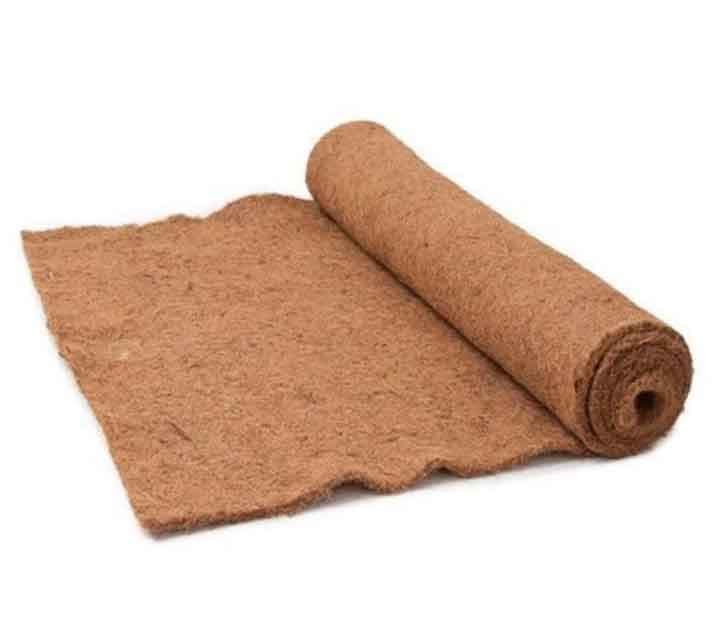
Coir Needle Felt Rolls
Supplied in various GSM (600 to 1200) and widths, these rolls are laid on the ground for growing sedum plants or used as garden basket liners.
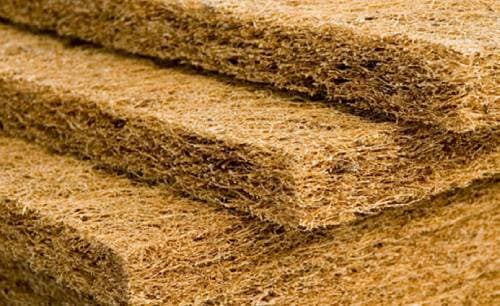
Coir Needle Felt Sheets
Non-woven fabric made out of coir fiber, used to beautify gardens, hold water, and prevent soil erosion. Often utilized as plant liners and mattress material.
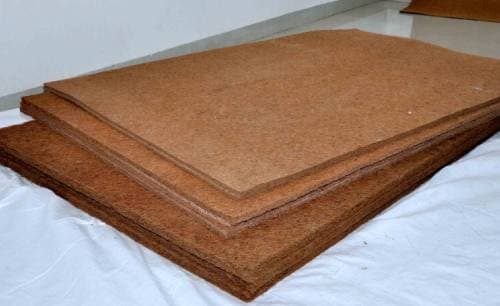
Coir Packing Sheets
Natural coir sheets designed to replace plastics, offering uniform density and cushioning effect. Ideal for exporting products to overseas markets.
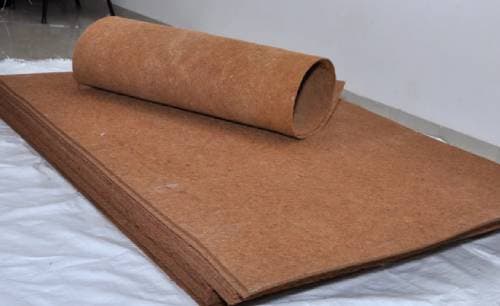
Coir Pads
Manufactured using natural rubber latex as the binding medium with thickness starting from 4 mm to 200 mm. These pads make mattresses cooler by 2-3 degree centigrade than the room temperature due to capillary action.
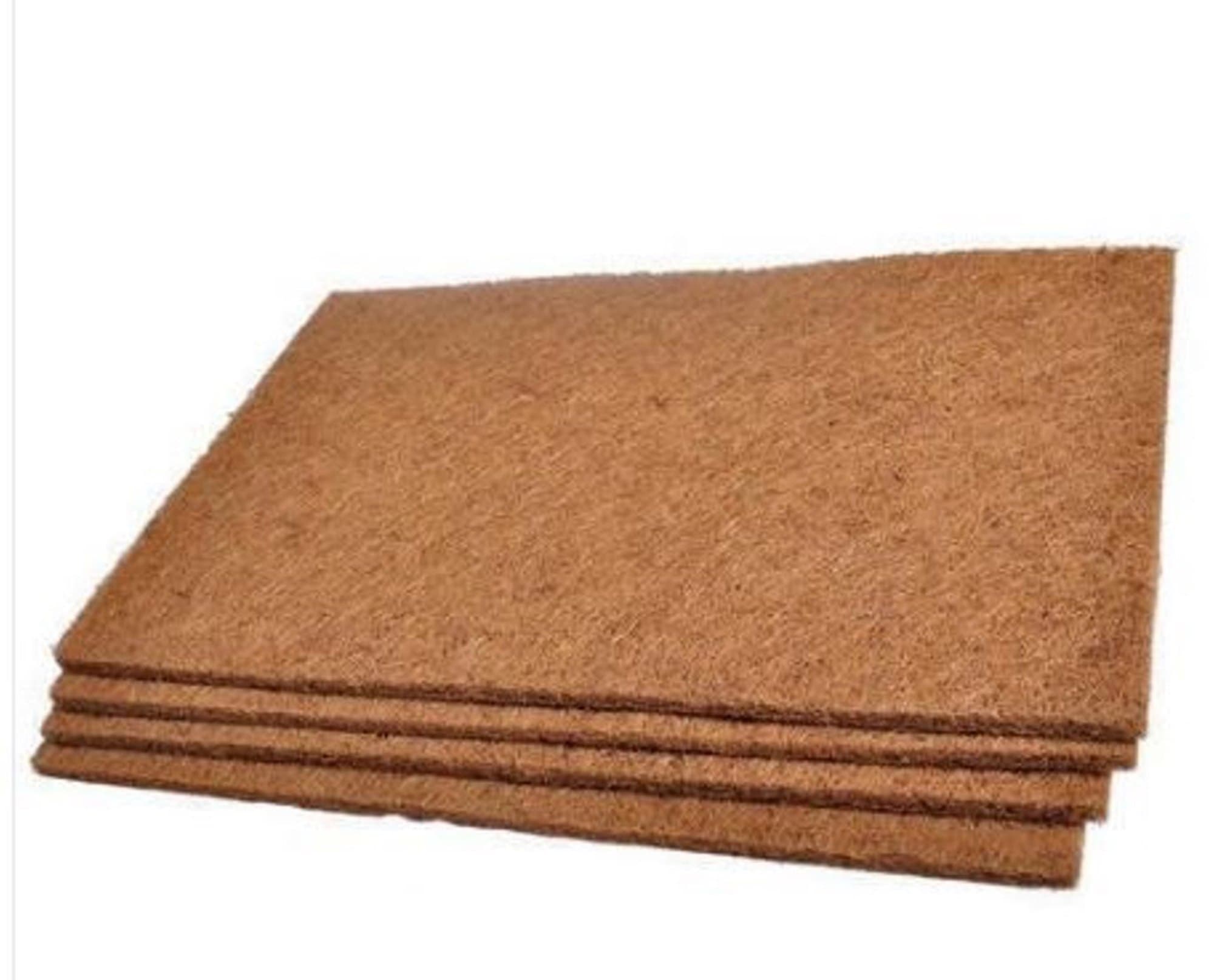
Coir Sheets
Manufactured using machine twisted coir fibre and natural rubber Latex for vulcanizing to improve tensile strength. Utilized for sofa seats, packing material, mattresses, and car interior chairs.
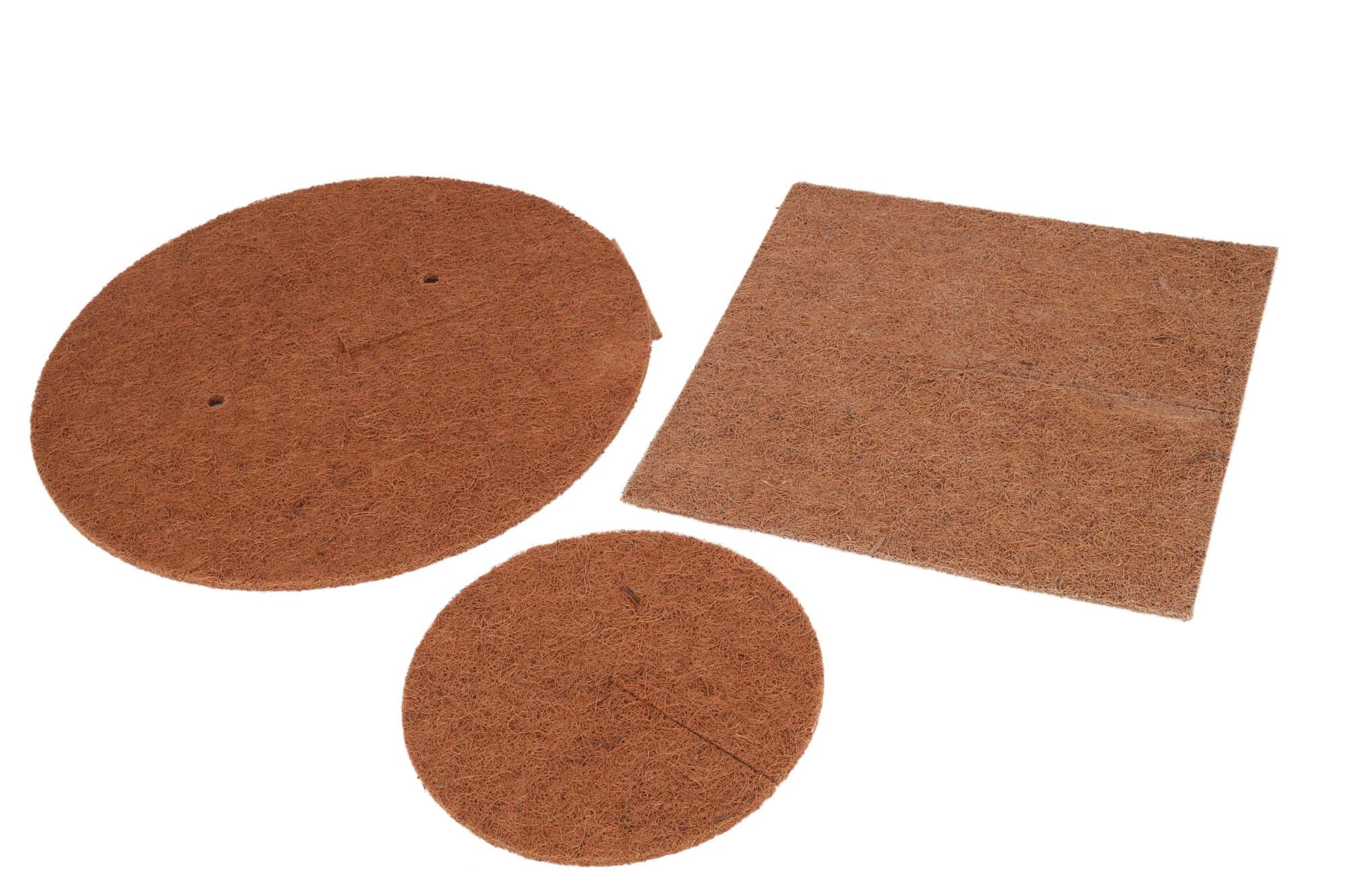
Coir Weed Caps
Hard / dense coir pads placed around the plants to protect them from weed growth. They cut off sunlight to arrest weed germination while retaining soil moisture and maintaining stable soil temperature.
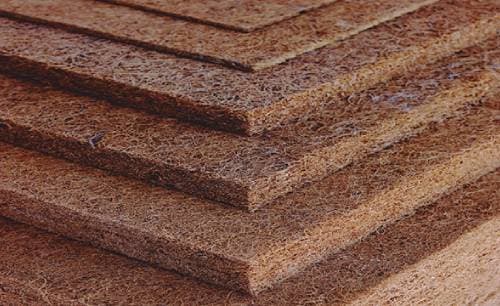
Rubberized Coir Sheets
Hard / dense coir pads placed around the plants to protect it from weed growing in its vicinity. It provides required insulation and suppleness to spring mattresses and is converted to products like microgreen grow pads, mulch mats, and more.
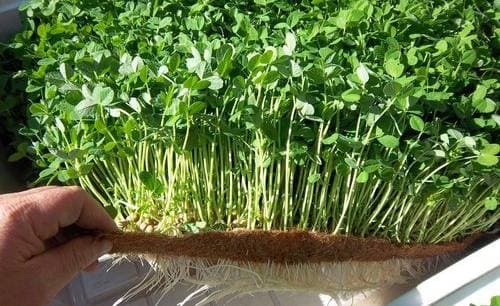
Micro Green Growing Media in Coir
Soft and porous coir pads, mostly 6-10 mm in thickness, support sprouting of seeds to grow on it without need for soil as growing media. The Coir fibre is naturally allergen to Bacteria and fungus and has good drainage capability for excess water.
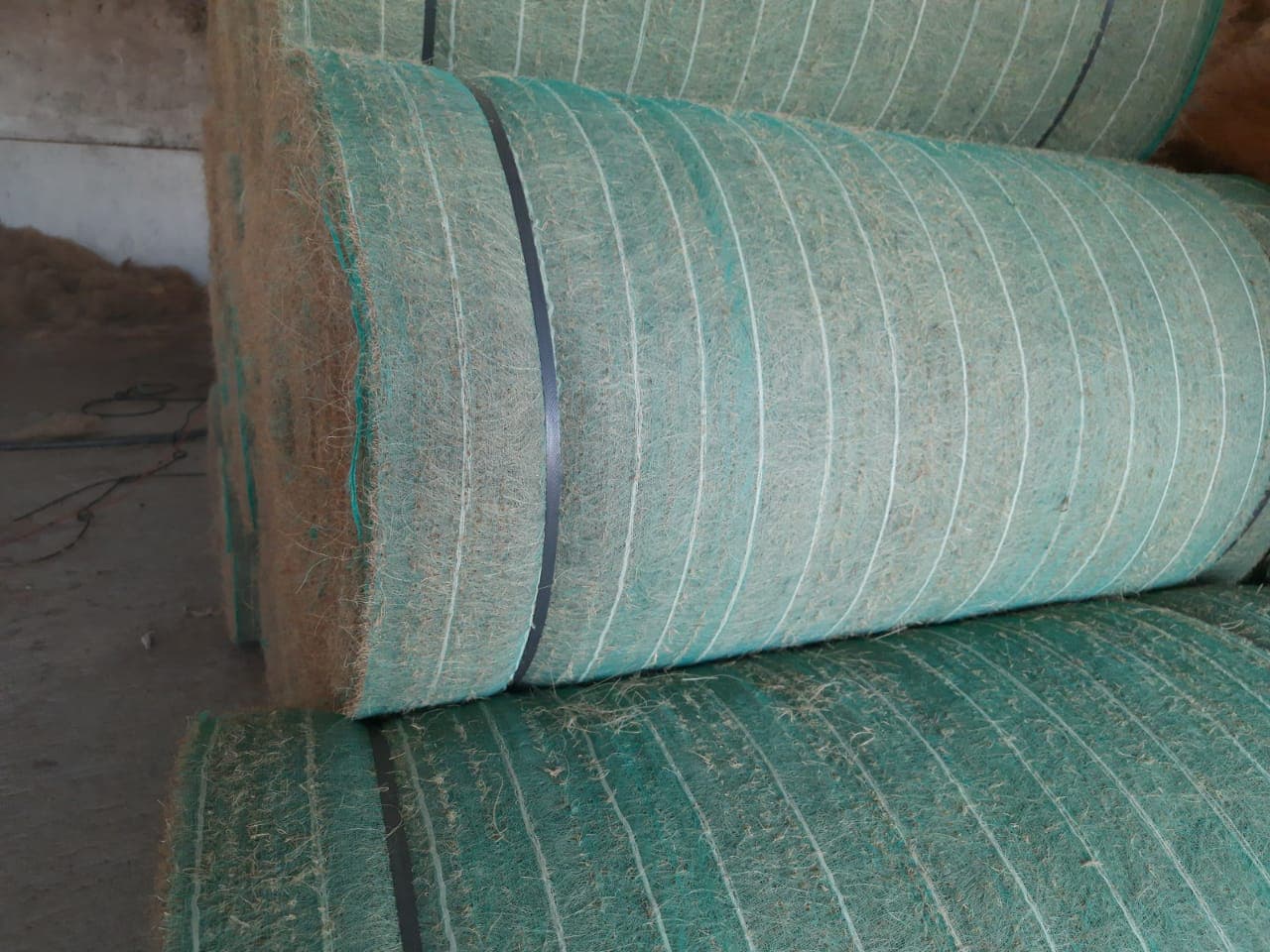
Coir Erosion Control Blanket
Coir is 100 percent natural, agricultural waste fibre processed from the skin of the coconut fruit. Coir blankets erosion control mats and rolls are used in precipitous areas like walls of canals, riverbanks, streams, and wetlands.
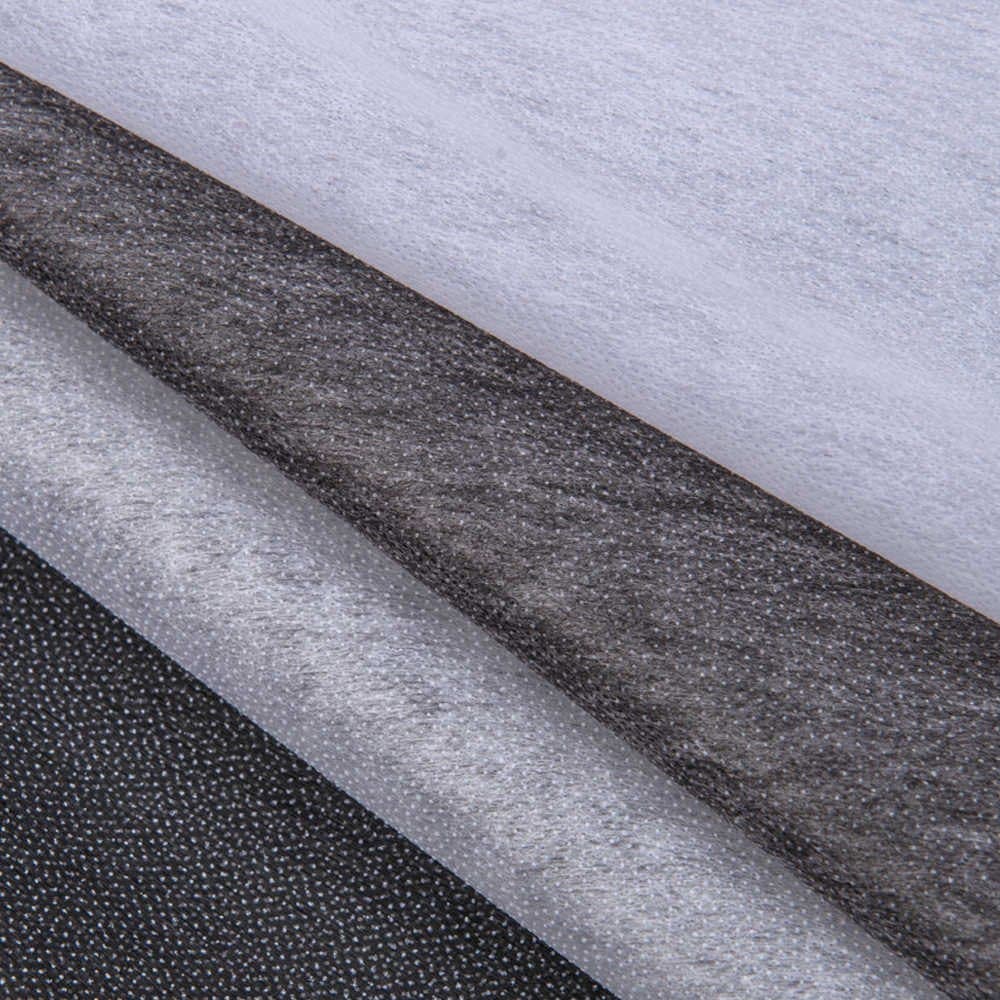
Microdot Non-Woven
Microdot non-woven refers to a specialized type of fusible interlining fabric used primarily in garment manufacturing to provide structure, shape, and reinforcement while maintaining the natural softness of the outer fabric. It is characterized by a "microdot" adhesive pattern—thousands of tiny, evenly distributed glue dots—on its surface that bond to other fabrics when heat and pressure are applied.